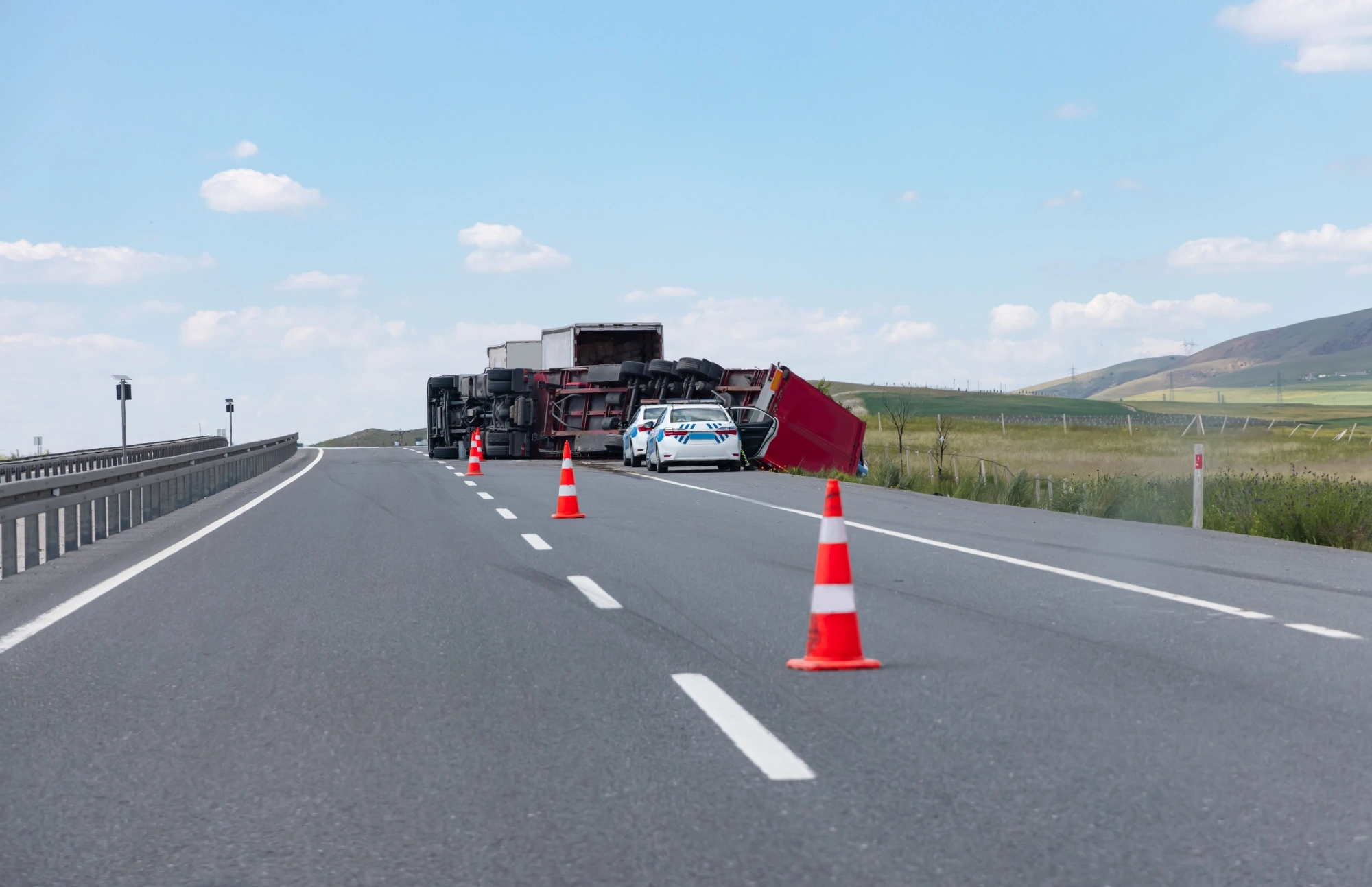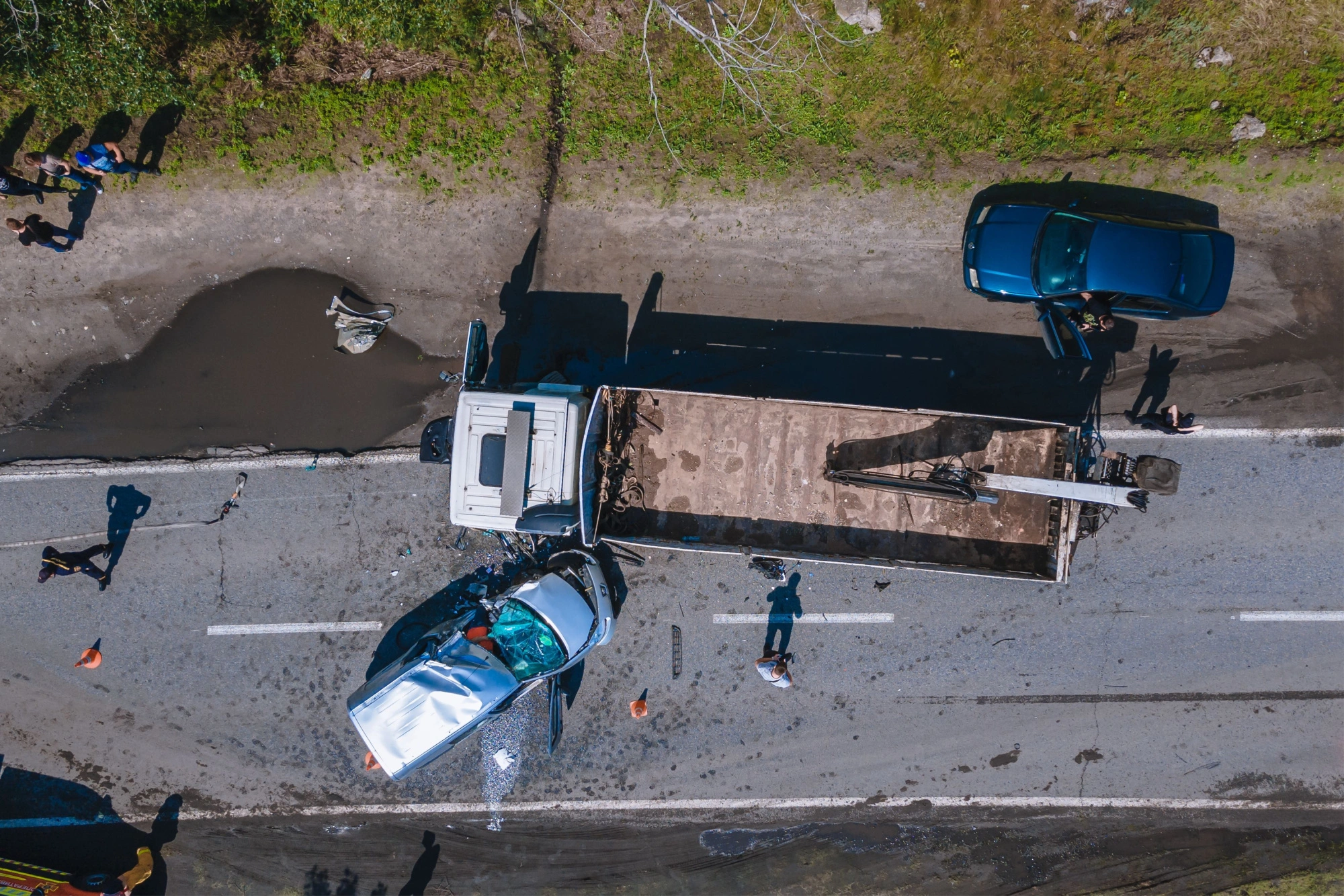


Truck accidents are rarely “simple” collisions. When a commercial vehicle is involved, there is often far more happening behind the scenes than what victims see on the road. Many of the most serious truck wrecks can be traced back to violations of the Federal Motor Carrier Safety Administration (FMCSA) regulations — rules designed to protect the public by keeping unsafe trucks and unqualified drivers off the road.
When trucking companies or drivers ignore these standards, they put every motorist around them in danger. Victims are left with catastrophic injuries, mounting medical bills, lost income, and questions about why the crash happened in the first place.
If you were injured in a collision with an 18-wheeler or any commercial vehicle, learning about FMCSA violations may give you insight into what went wrong, as well as show you how a legal claim may hold the responsible parties accountable. At Sellers Law Firm, we investigate truck wrecks with a fine-toothed comb, expose every safety violation, and fight to secure full compensation for our clients.
If you believe a trucking company cut corners and endangered your life, call (817) 928-4222 to schedule a consultation with the truck wreck lawyers at Sellers Law Firm today. We’re here to help you uncover the truth.
What are the unsafe driving violations for FMCSA?
The FMCSA enforces a wide range of safety regulations covering everything from driver qualifications and hours of service to vehicle maintenance and load securement. When companies or drivers fail to follow these rules, the risk of a devastating crash increases dramatically.
Below are some of the most common unsafe-driving-related FMCSA violations and how they contribute to truck wrecks:
| FMCSA violation | Description |
| Hours-of-service (HOS) violations | Truck drivers are required to take regular breaks and cannot exceed strict daily and weekly driving limits. When drivers skip rest periods, falsify logs, or drive while fatigued, their reaction time drops sharply — leading to rear-end collisions, side-swipes, and lane-drift crashes. |
| Distracted driving | FMCSA bans texting, using handheld devices, or engaging with on-board technology while driving. Distracted truck drivers can miss slowed traffic, drift into another lane, or fail to see smaller vehicles in blind spots. |
| Speeding | Trucks require significantly more stopping distance than passenger cars. When a truck exceeds posted limits or fails to adjust to weather, traffic, or road conditions, catastrophic collisions are more likely. |
| Improper lane changes | Many trucks have extensive blind spots. Unsafe lane changes can lead to vehicles being sideswiped, forced off the road, or crushed between lane lines. |
| Following too closely | Tailgating by truck drivers is especially dangerous. A fully loaded 18-wheeler can weigh up to 80,000 pounds and cannot stop quickly. Following too closely can cause violent rear-end crashes with serious injuries. |
| Missing inspections | Drivers must conduct pre-trip and post-trip inspections. Skipping these checks means problems like worn tires, defective brakes, or broken lights can go unnoticed, potentially leading to a loss of control or reduced visibility. |
| Defective brakes or tires | Mechanical failures are a major factor in truck wrecks. FMCSA strictly regulates maintenance standards, and ignoring them can cause blowouts, jackknifes, or runaway-truck situations. |
| Improperly secured cargo, overloading | Improper cargo securement or exceeding weight limits affects how a truck handles and stops. Sudden shifts can cause rollovers, and falling cargo can strike nearby vehicles. |
| Drug and alcohol violations | Commercial drivers are held to stricter testing and alcohol limits than ordinary drivers. Impaired driving — whether due to alcohol, drugs, or failure to comply with random testing — is a severe FMCSA violation and often a key factor in major wrecks. |
| Driving without a CDL, improper training | Drivers must be qualified and trained to operate large commercial vehicles. Lack of training increases the likelihood of mistakes during turns, braking, and emergency maneuvers. |
When any of these violations are discovered after a crash, they can significantly affect liability in a lawsuit. FMCSA violations often point to systemic negligence, not just simple, one-time mistakes.
What happens when a trucking company violates FMCSA rules?
When FMCSA rules are violated, the agency can issue penalties ranging from fines and required corrective actions to temporarily shutting down a driver or an entire company. These enforcement measures are designed to encourage compliance and protect the public.
However, it is important to note that FMCSA penalties do not do anything to compensate victims of a truck wreck. They are strictly administrative. Even if a company has a long history of violations, the fines paid to the government do not go to the individuals who were harmed. This is why civil lawsuits are so important; they are often the only way an injured person can recover compensation for medical costs, lost income, and the long-term impact of the crash.
How do I report a truck company to DOT?
Anyone can file a complaint against a trucking company or driver through the FMCSA’s National Consumer Complaint Database. This can be helpful if you want the agency to investigate:
- Unsafe driving behavior
- Hours-of-service violations
- Vehicle defects
- Licensing issues
- Hazardous material handling problems
A DOT complaint can be helpful because your attorney may use it as supporting evidence, especially if a pattern of unsafe practices exists. But filing a complaint is not the same as filing a lawsuit. It will not result in compensation, will not cover your medical bills, and will not hold the company financially responsible for your injuries. Only a civil claim can accomplish that.
In short, the path to recovering damages for your injuries must go through the legal system — not through FMCSA.
How do truck wreck lawsuits work?
Truck accident cases require a different level of investigation, strategy, and expertise compared to ordinary car accident claims. Commercial vehicles are regulated industries, and the laws governing truck wrecks introduce additional layers of complexity. A personal injury attorney handling truck wrecks must be able to navigate those layers effectively.
Evidence preservation
After a truck crash, the trucking company controls most of the evidence:
- Electronic logging device (ELD) data
- Driver qualification files
- Maintenance logs
- Inspection reports
- GPS information, and more
A skilled attorney will immediately move to preserve this evidence through a spoliation letter, which legally requires the company to keep all records relevant to the case. Without this step, valuable data could be lost — accidentally or intentionally.
Thorough investigation
Next, your attorney will conduct a deep investigation into possible FMCSA violations. This involves reviewing logbooks, examining maintenance records, analyzing the driver’s qualifications, and digging through the company’s safety history.
Violations such as hours-of-service breaches, improper inspections, or prior safety citations can be powerful evidence of negligence.
Establishing negligence
Truck wreck lawsuits also require identifying all potentially liable parties. Unlike a standard auto collision where there are typically only two drivers involved, a truck wreck may involve the driver, the trucking company, a cargo loader, a maintenance contractor, a broker, or even the manufacturer of a defective part.
Each entity may hold some responsibility, and uncovering that responsibility requires a thorough and methodical approach.
Calculating damages
Your attorney will also work with medical professionals, economists, and accident reconstruction experts to calculate the full extent of your damages. Truck wreck injuries are often severe, so the financial and personal impact can be extensive. A strong case will account not only for immediate losses but also for long-term needs such as rehabilitation, future medical care, and diminished earning capacity.
Most trucking companies prefer to settle rather than expose their safety violations in court. However, if they refuse to do what’s right, your attorney must be prepared to take the case to trial. The threat of litigation is often what compels a fair settlement.
Involved in a truck wreck? We’ll hold violators accountable.
Trucking companies are required to follow FMCSA rules for a reason: your safety depends on it. When they choose profits over compliance, innocent people pay the price. If you were injured in a truck wreck and suspect safety violations played a role, you need a lawyer who knows how to sue a truck driver or company in a way that gets results. Sellers Law Firm is ready to step in, expose the truth, and fight on your behalf.
Don’t try to face a powerful trucking company alone. Call Sellers Law Firm at (817) 928-4222 to schedule a consultation today; we will hold the violators accountable and help you move forward with confidence.
More Helpful Articles by Sellers Law Firm:
- When to Call a Construction Site Injury Lawyer
- How Insurance Companies Undervalue Personal Injury Claims, and How to Fight Back
- The Truth about Uninsured Motorist Coverage in Texas
- Can You Sue for Minor Injuries in Texas?
- What to Do after a Slip and Fall Accident